.svg)





Editor's note: This piece was originally published in October 2025 and updated in October 2026 to reflect the latest industry news and benchmark data.
According to 2026 research by the Association of Corporate Counsel, 85% of in-house legal teams now use AI in their legal workday, up from 53% in 2025 and 23% in 2024. The primary use case is automating high-volume tasks, such as contract review, to boost productivity.
The next step is connecting AI review to the system that tracks the work, which is where in-house matter management comes in.
This guide breaks down what a legal matter is, what matter management software does, how the leading platforms compare, and how to choose the right one for your legal team.
Join 9,000+ organizations running legal work in LegalOn.
In this post:
What is legal matter management software?
Features to look for in legal matter management tools
Best matter management software for in-house legal teams
Matter management vs. other legal software: Which one to choose
Benefits of in-house matter management
Frequently asked questions about legal matter management software
LegalOn for legal matter management
What are legal matters?
A legal matter is a basic unit of work an in-house legal team handles, executes, and tracks to closure.
Legal teams use "matter" as the unit, rather than "task" or "ticket," because a matter carries legal context that a task doesn't. Every open matter holds risk, privilege, related agreements, prior positions, and a decision that a lawyer has to stand behind.
Examples of matters include:
- A contract to review, redline, or renew (contracts are the single highest-volume matter type for most teams, which is why the strongest matter management systems integrate contract review AI)
- An NDA to turn around before a deal call
- A vendor dispute or demand letter
- A regulatory filing or compliance question
- An internal investigation
- A policy or handbook update
- A trademark or IP filing
- An employment or HR escalation
With multiple departments sending work to legal, a mid-sized in-house team can be juggling hundreds of open matters at once.
The matter lifecycle in an in-house legal team
Whatever its type, nearly every matter moves through the same lifecycle:
- Intake. A request arrives (often as a half-sentence in an email or a hallway conversation) and needs to be captured with enough context to act on.
- Triage and assignment. The matter gets prioritized by risk and urgency, then routed to the right owner.
- Work. The substantive legal work happens, whether that's review, redlining, research, negotiation, or advice.
- Approval and sign-off. Stakeholders weigh in, and the matter clears any required internal approvals.
- Execution. The contract gets signed, the filing goes out, or the advice is delivered.
- Reporting and closeout. The matter is closed, land the data feeds cycle-time and workload reporting.
A request lost between intake and assignment, or a signed contract that never makes it back into the record, is where problems tend to happen. Your legal team should consider a dedicated tool when you see these issues:
- Lost requests: "Did you get my message about that contract?"
- No visibility: "What is legal working on right now?"
- Duplicate work: Two lawyers reviewing the same type of agreement
- Missed deadlines: SLAs breached because tracking is manual
- No metrics: No way to show leadership what legal delivers
Matter management software is designed to address all five.
→ See LegalOn in Action: LegalOn's Legal Matter Management Software
What is legal matter management software?
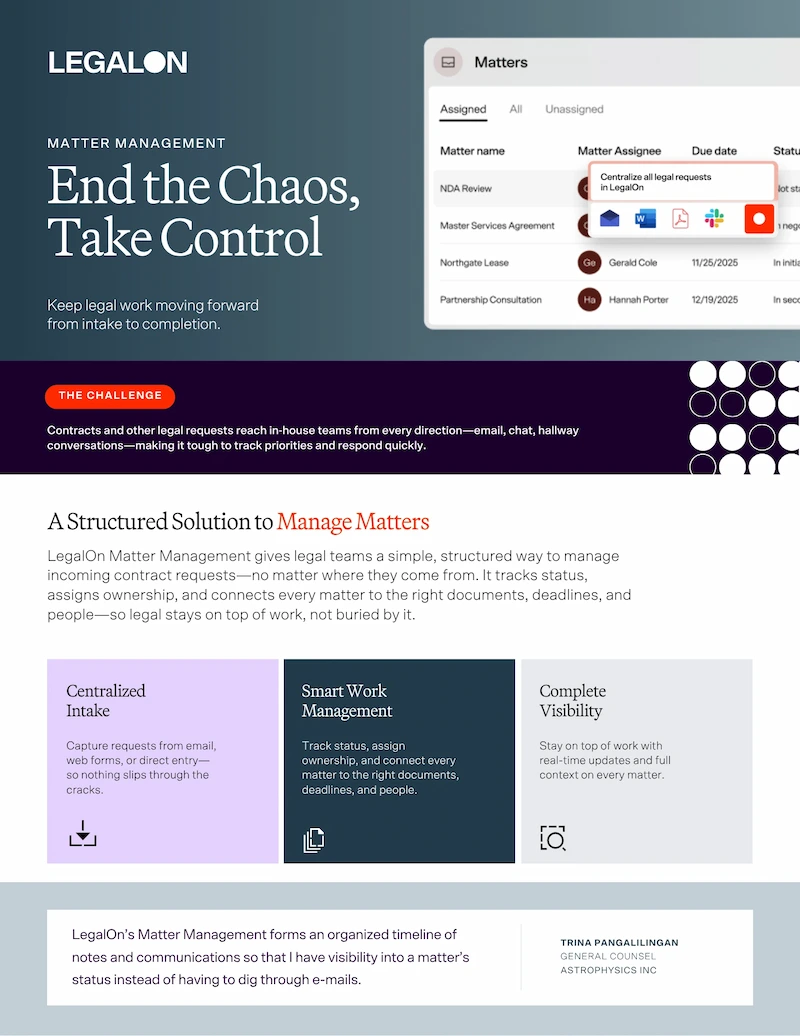
Legal matter management software is a system of record that captures, tracks, and manages every legal matter from intake through reporting. It gives in-house legal departments one place to see all active work, connect each matter to its documents and contracts, and report on it to leadership.
Matter management software shows the business what legal is working on. For a General Counsel, that visibility saves hours of hunting through email threads or drafting ad-hoc reports in Slack.
At a minimum, a matter management platform lets a team:
- Capture requests through an intake workflow, so each matter arrives with context and documents attached
- Track every matter through its lifecycle, with clear ownership and status
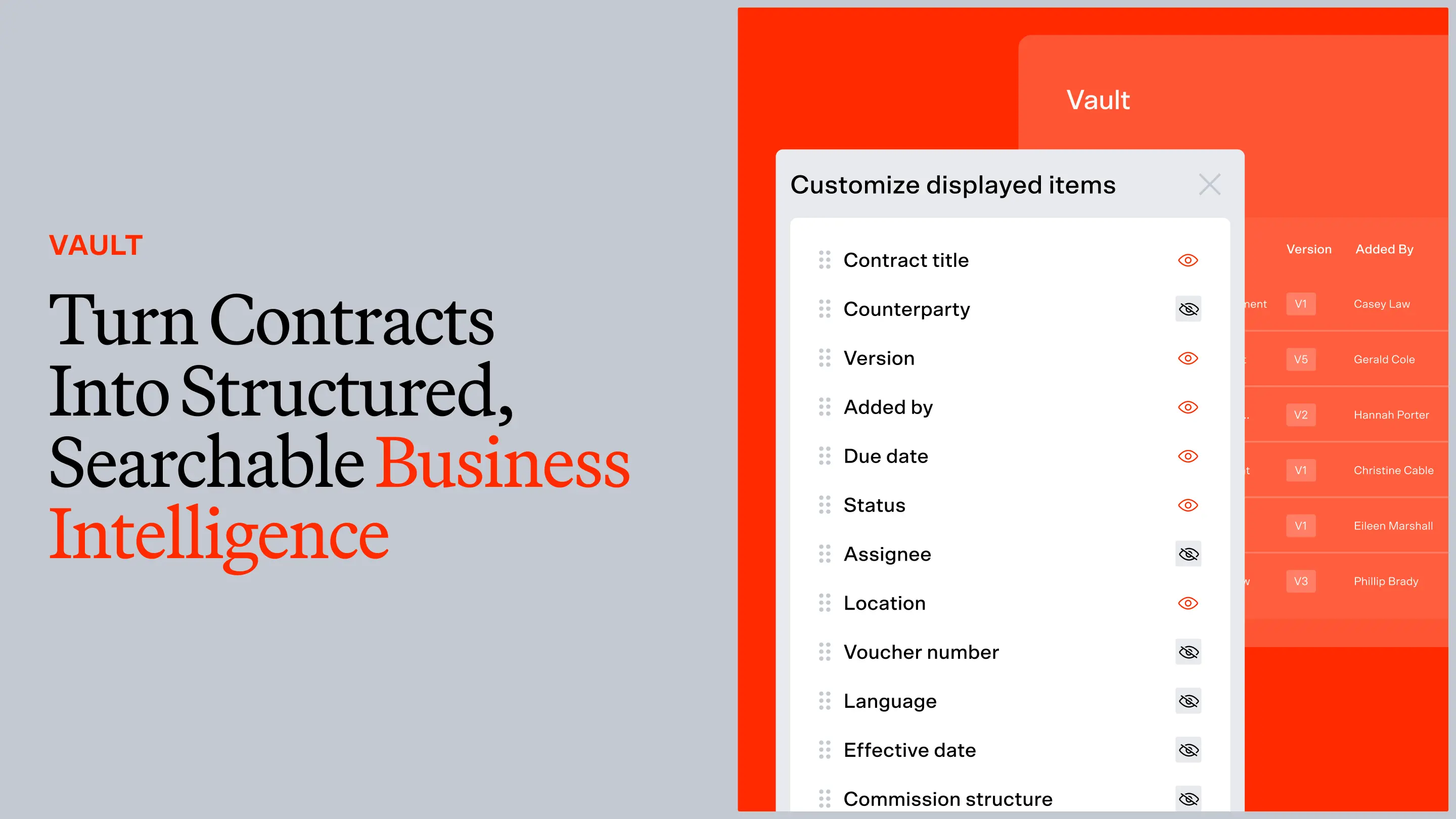
- Link related contracts, documents, versions, and communications to the matter itself
- Report on volume, cycle times, and workload for capacity planning and leadership visibility
The best platforms add native AI contract review on top, so contracts get reviewed inside the same system that tracked the request.
→ Related Article: Best AI Contract Review Software
Who uses legal matter management software?
These teams get the most out of matter management software:
Legal operations
According to the Corporate Legal Operations Consortium, legal demand keeps rising, but only 37% of legal departments expect outside counsel spend to increase in 2026, down from 58% the year before.
Matter management gives legal ops teams the ability to scale a department's output without adding headcount or leaning on outside counsel. Features such as standardized intake and cycle-time tracking give them the data they need to run legal like a business function.
Business and cross-functional stakeholders
Sales, finance, procurement, and HR all rely on legal to move deals forward, but not knowing where to submit requests causes friction. Matter management software gives cross-functional teams structured intake forms and real-time status on their requests, so they don't need to ping legal.
Legal leadership
General Counsel, CLOs, and Associate General Counsel need visibility into what the team is handling and whether it maps to business priorities. Real-time matter dashboards show active matters, ownership, and status. Leaders can pull workload reports on demand and use the data to justify headcount.
In-house legal teams
In-house legal teams and contract managers live in the day-to-day work that matter management structures the most. They review redlines, track contract versions, manage renewals, and answer legal questions daily. Matter management gives them a single home for every request and contract that lands on their desk.
Features to look for in legal matter management tools
In-house teams need more than a ticketing system to manage matters. Because contracts dominate the workload, a strong tool should connect every intake request to its contract file and carry it through review.
Six features separate strong platforms from generic tools:
- Multi-channel intake and routing. Matter management software should capture requests wherever they start and auto-route them to the right owner with context already attached. Look for integrations with email, web forms, Slack, and Teams.
- Matter tracking and a true system of record. Every matter should link to its contracts, tasks, and supporting documents. Without this, teams manage contracts and other matters in separate tools and do the same work twice.
- Native AI contract review. A strong matter management tool comes with built-in review and attorney-built playbooks. That way, a request becomes a review without re-entering data or paying for a second tool.
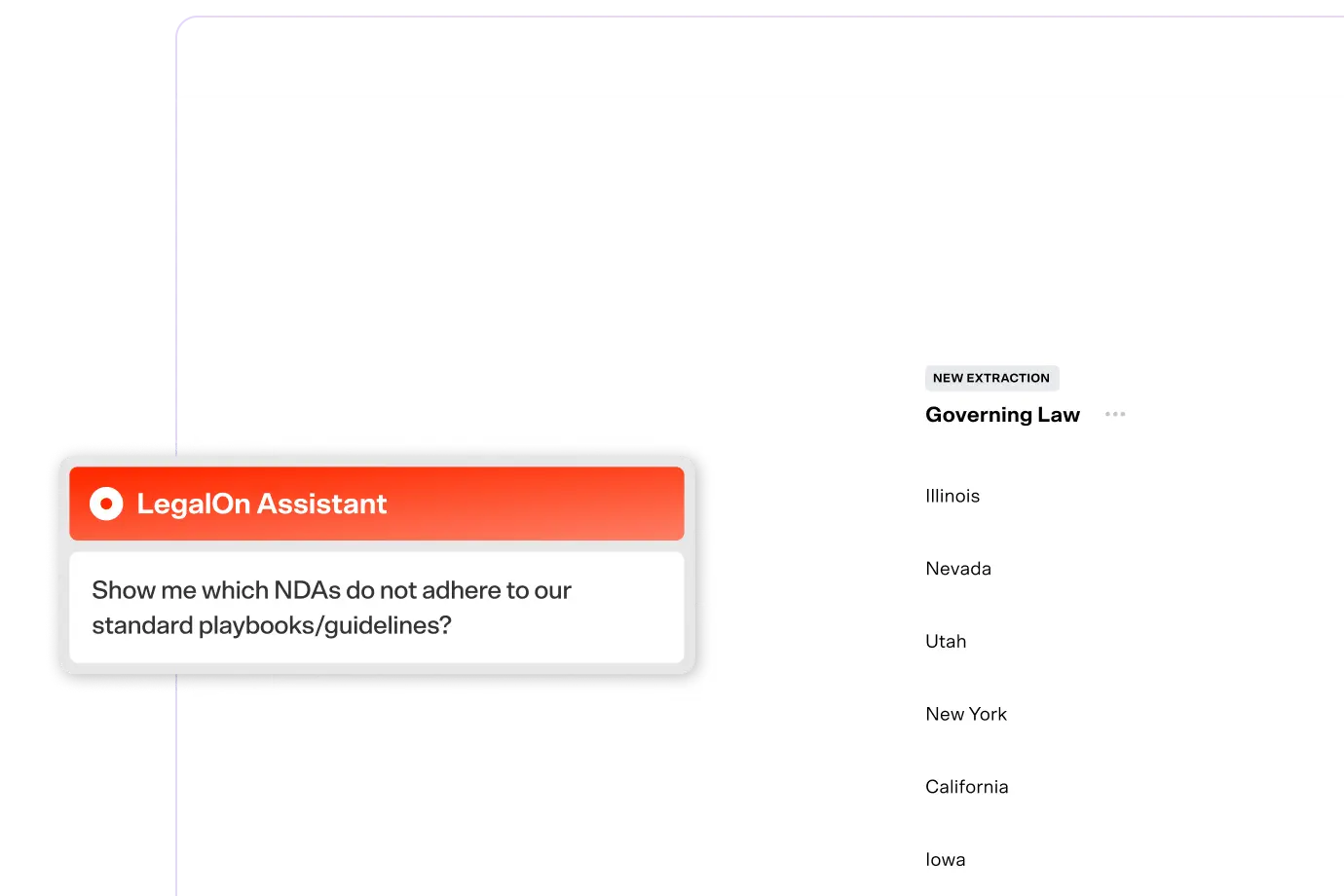
- Legal knowledge and precedent search. Matter management should let you search across clauses, contracts, matters, and past negotiations, so every matter builds on prior positions.
- Security, privilege, and access controls. Role-based access, restricted visibility, and audit trails help you preserve attorney-client privilege and simplify AI governance. Some generic tools can leave sensitive matters exposed.
- Reporting and analytics. According to the 2026 Law Department Management Benchmarking Report from ACC and Major Lindsey & Africa, in-house lawyers now support an average of 367 employees each. With that much incoming work, reporting becomes indispensable. Look for reporting on cycle times and request volume, so you can keep workloads sustainable and justify headcount.
Best matter management software for in-house legal teams
Implementation time, contract review, AI depth, and pricing model vary widely across matter management systems. Here's how the leading platforms compare:
1. LegalOn: Best for integrated matter management, legal AI assistance, and contract review in one platform

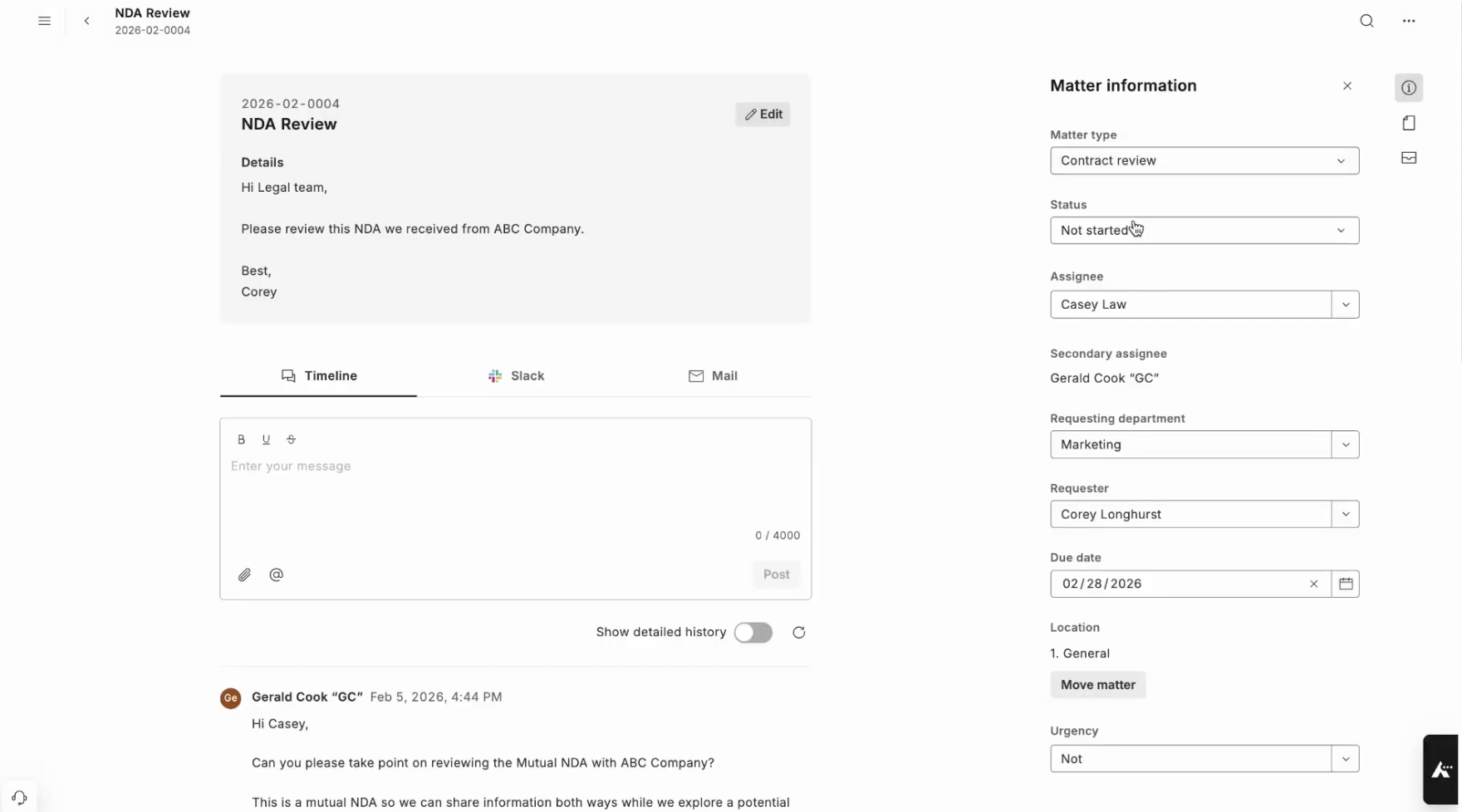
LegalOn is the legal AI platform for the full in-house workday, combining agentic intake, matter management, and AI contract review. LegalOn runs on attorney-built playbooks, so a contract request moves from intake to a reviewed contract without your team switching tools mid-workflow.
When a contract request comes in, LegalOn logs it, reviews the document against your standards, flags non-standard language, and recommends redlines grounded in attorney-built playbooks. And because LegalOn runs natively in Microsoft Word, none of it requires you to re-enter data or track versions across your legal tech stack.
Since not every matter is a contract, teams can upload non-contract documents to the platform, such as demand letters, policies, regulatory correspondence, or investigation files.
Features
- AI contract review with 10,000+ attorney-built legal issues across 135+ contract playbooks
- Legal intake, matter tracking, and contract review in one system of record
- Upload non-contract documents to any matter to keep the full record in one place
- Runs natively in Microsoft Word and your browser; additional integrations available
- Knowledge and precedent search, role-based access, and audit trails
Pros
- Carries a request from intake to reviewed contract without tool-switching or data re-entry
- Day 1 productivity and zero implementation fees
- Up to 85% reduction in contract review time; 98% of customers see immediate time savings
- Comes with legal AI agents and a legal AI assistant
- Trusted by 9,000+ organizations
Cons
- LegalOn is built for pre-signature contract work; in-house teams whose primary need is outside counsel spend, e-billing, or litigation case management should pair LegalOn with a dedicated tool
Pricing
LegalOn offers custom pricing to scale with your team. Get your quote started by booking a demo.
2. LawVu: Best for consolidating matters, documents, and spend
LawVu positions itself as a legal operating system spanning intake, matters, contracts, spend, and documents, with contract lifecycle and spend management as add-on modules. For a large department that wants one vendor across the whole legal operation, LawVu's breadth is a real benefit.
Features
- Matter management at the core, with intake, triage, and self-service included
- Contract tools available as add-ons, including LawVu Lens and LawVu Draft
- Cross-workspace reporting and dashboards
Pros
- Unifies matters, contracts, and spend in one system
- Modular, so teams can start with matters and add contracts or spend later
Cons
- Contract and spend capabilities are sold as add-on modules, so cost scales with what you enable
- Enterprise-scale configuration typically takes 60–90 days
Pricing
Custom pricing; contact LawVu for a quote.
3. Streamline AI: Best for automating high-volume legal intake and triage
Streamline AI is an AI-powered "legal front door" built around intake, triage, and workflow automation. It captures and auto-classifies requests from across the business, then routes them to the right person. For a team with limited IT bandwidth to build intake workflows, it's a strong option.
Features
- AI intake, triage, and routing across email, Slack, Teams, SharePoint, and Salesforce
- SLA tracking and no-code workflow automation
Pros
- Strong at handling messy, high-volume intake
- Fast, no-code setup (typically 2–6 weeks)
Cons
- Built to route legal work only, so contract review and redlining happen in a separate tool
Pricing
Custom pricing; contact Streamline AI for a quote.
4. Thomson Reuters Legal Tracker: Best for enterprise e-billing and outside counsel spend
Legal Tracker (formerly Serengeti Tracker) is a long-established platform combining matter management, e-billing, and legal spend management, with an AI layer for invoice review and spend forecasting. If governing a large outside counsel budget is your team's core challenge, Legal Tracker can help.
Features
- Matter management, e-billing, and outside counsel spend management
- AI-powered invoice review
- Forecasting and benchmarking against global legal spend data
Pros
- One of the most widely used e-billing and spend platforms, with deep benchmarking data
Cons
- No native AI contract review or redlining
- Enterprise rollout typically takes 60–90 days
Pricing
Custom pricing; contact Thomson Reuters for a quote.
5. Brightflag: Best for AI-driven invoice review and spend intelligence
Like Legal Tracker, Brightflag is an AI-powered enterprise legal management platform. Where Legal Tracker leads on scale, Brightflag leads on automation and ease of use. Its AI reviews every invoice line against your outside counsel guidelines, which makes it a strong fit for teams that want invoice review largely off their plate.
Features
- E-billing, spend management, and matter management in one AI-native platform
- Patented AI invoice review that flags billing-guideline violations line by line
- Conversational AI assistant that helps you explore spend and matter data
Pros
- Highly automated AI invoice review
- Intuitive interface and reporting
Cons
- Spend- and operations-focused, with no native contract drafting or review
- Implementation typically takes 4–8 weeks
Pricing
Custom pricing; contact Brightflag for a quote.
Matter management vs. other legal management software: Which one to choose
"Matter management" sits in a crowded field of overlapping categories. Here's how they differ and when each one is the right call.
Legal matter management software
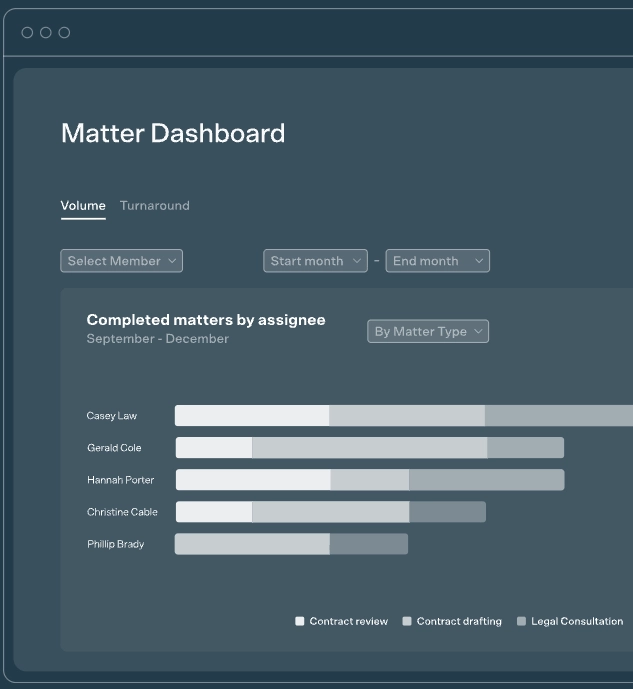
Legal matter management software is the in-house system of record for all legal work. Every request, contract, document, deadline, owner, and status sits in one place, from intake through reporting. Rather than handling one piece (such as capturing requests or tracking spend), it connects them in a single record.
Case management software
Case management is the law-firm cousin of matter management. It's built for firms managing client cases and litigation, with docketing, deadline calendaring, time tracking, and billable-hours workflows. The unit of work is a case tied to a client and an invoice.
Intake management software
Intake management is the "legal front door," capturing requests, triaging them, and routing them to the right owner. For a team whose biggest pain is a chaotic inbox, a dedicated intake tool can help, but the work itself (such as reviewing the contract) still happens elsewhere.
Document management software
Document management systems (DMS) like SharePoint and NetDocuments help legal teams store and search documents. They're strong at organizing and retrieving files, which is essential for firms and larger departments. As with intake management tools, the legal work itself rarely happens inside a DMS.
Enterprise legal management (ELM)
Enterprise legal management is the broad, enterprise-scale category built around spend management, e-billing, and matter tracking, such as Legal Tracker, Brightflag, and Onit. For departments whose defining challenge is outside counsel spend and vendor oversight, ELMs are the right fit.
Most matter management tools stop at logging and routing a request, but they often leave out what’s most important for legal teams: automating the repetitive, high-volume task of contract review.
If high-volume contracts are your primary pain point, look for a tool that automates intake and takes requests straight into an AI review workflow. A request that becomes a finished review without leaving the system saves hours per day and hundreds of workdays per year.
→ Related Article: Best Automated Contract Review Software Tools
Benefits of in-house matter management
According to the 2026 Chief Legal Officers Survey from the Association of Corporate Counsel, operational efficiency is the top strategic initiative for chief legal officers in 2026. Matter management is one of the most direct ways legal teams can handle more matters without adding headcount.
Matter management software takes an up-front investment, but its benefits accumulate quickly:
- Smarter intake and prioritization. Instead of arriving through one-off Slack messages or hallway conversations, legal requests come through defined channels with context and deadlines attached. That allows your team to triage and prioritize more efficiently.
- One source of truth. Related contracts, documents, versions, and communications link to the matter itself, so the full history stays visible from intake through renewal.
- Full lifecycle visibility. In a strong matter management tool, every matter shows what's pending, who owns it, and what's approved, which feeds workload reporting.
- Organized collaboration. Shared timelines, comment threads, and version histories let internal and external stakeholders work on the same document without duplicating each other's work.
- Time back for real legal work. Centralizing documents and standardizing workflows removes administrative overhead, so more of your legal workday goes to strategy and positioning legal as a growth lever for the business.
Frequently asked questions about legal matter management software
What is legal matter management software used for?
Legal matter management software organizes all legal work (contract reviews, compliance requests, IP filings, employment issues, and regulatory matters) into a single system of record.
It captures and triages incoming requests, tracks each matter from intake to closeout, links related contracts and documents, and gives leaders visibility into workload and cycle times. The best legal matter management platforms connect intake directly to AI contract review, the highest-volume task for in-house legal teams.
What's the difference between matter management and case management?
Matter management is for in-house corporate legal teams handling business requests, contracts, and compliance. Case management is for law firms managing client cases and litigation.
Matter management centers on business enablement and visibility across all legal work, while case management emphasizes billable hours, client files, and litigation tracking.
What's the difference between matter management software and a CLM?
A contract lifecycle management (CLM) tool focuses on the pre- and post-signature workflows for contracts, most often the post-signature side (such as obligation tracking and storage).
Matter management handles all types of legal requests, contracts included, and serves as the system of record for the whole department.
Some platforms keep the two separate, so you run two tools. A unified platform like LegalOn brings intake, matters, and AI contract review together, and lets teams upload non-contract documents to the same matters, so all legal work is handled inside the system that tracks it.
Can small legal teams benefit from matter management software?
Yes, small legal teams benefit from matter management software. Lean teams feel administrative drag most acutely, so centralizing intake and contract review frees up a meaningful amount of time.
Many platforms, including LegalOn, deliver productivity on Day 1, which is essential when there's no operations team to oversee a long rollout.
How long does matter management software take to implement?
Modern, AI-forward matter management tools can be live in days to two weeks, often with pre-built templates to get your team running on Day 1.
Enterprise and legacy systems typically require in-depth configuration and two to three months or more of setup. A generic project management tool adapted for legal can take weeks to months, since the legal-specific structure has to be built from scratch.
Is matter management software worth the cost?
Yes, matter management software is worth the cost for most in-house teams. If your department faces rising workloads with flat headcount, legal matter management software usually pays for itself within the first year.
Here's an example of how to calculate the ROI of matter management software. Let's assume it saves each in-house attorney two hours a week on intake and version-hunting:
- 2 hours × 48 working weeks = 96 hours saved per attorney per year
- 96 hours × $150 per hour (an example fully loaded in-house attorney cost) = $14,400 per attorney per year
- For a five-attorney team, that's about $72,000 in recovered capacity each year
Compare that figure against your quote. Costs vary between leaner platforms and enterprise solutions, so plug in your own team's hours and rates to compare.
The strongest return on investment comes from platforms that combine matter management with AI contract review. Contract review is the highest-volume work most teams handle, and LegalOn customers see up to an 85% reduction in review time on top of the matter management savings.
LegalOn for legal matter management
LegalOn is the AI platform for your entire legal workday, integrating intake, matter management, and AI contract review into one workspace.
Every request that comes into LegalOn stays tracked from intake to reviewed contract to reporting. Attorney-built playbooks review contracts against your standards, and a built-in knowledge base keeps your precedents and fallback positions on hand. For non-contract work, you can upload demand letters, policies, regulatory correspondence, or investigation files to keep the full matter record in one place.
See what your team is working on, move every matter forward, and review contracts without switching tools.