Many in-house legal teams are navigating the same pressures: more work, higher stakes, and technology that is changing fast. In this series, LegalOn CEO Daniel Lewis sits down with in-house legal professionals to talk workload, tools, trade-offs, and what it means to be a lawyer today.
"A lean, tech-enabled team can handle far more internally. In under 18 months, we’ve cut more than $1 million in outside counsel spend while taking on more than ever." — Carlo Ciccarelli, Group General Counsel
When Carlo Ciccarelli joined Lutech as Group General Counsel, the company—a 6,000-person leader in digital transformation—relied heavily on external firms for day-to-day legal support. Carlo had a clear mandate: reverse that pattern. He believed a leaner, tech-enabled in-house team could move faster and manage more work internally than the company had ever thought possible.
To execute this vision, Carlo brought on Giorgia Frisina as Group Deputy Chief Legal Counsel Operations. Together, they rebuilt the function around a new philosophy: stop relying on outside firms for everyday work and instead use technology to give a small team massive leverage.
The result? In less than 18 months, they have cut more than $1 million in outside counsel spend while dramatically expanding the scope and capability of their in-house team.
A Team Built for Leverage
Today, Lutech's legal group includes 23 people across legal and compliance. Outside counsel still has a role, but it is more targeted: specialized consultations and complex disputes rather than everyday work that can be handled inside the company.
That shift requires more than hiring lawyers. It requires a way for the business to reach legal efficiently, and a way for legal to decide what needs attention, who should handle it, and what can be answered quickly.
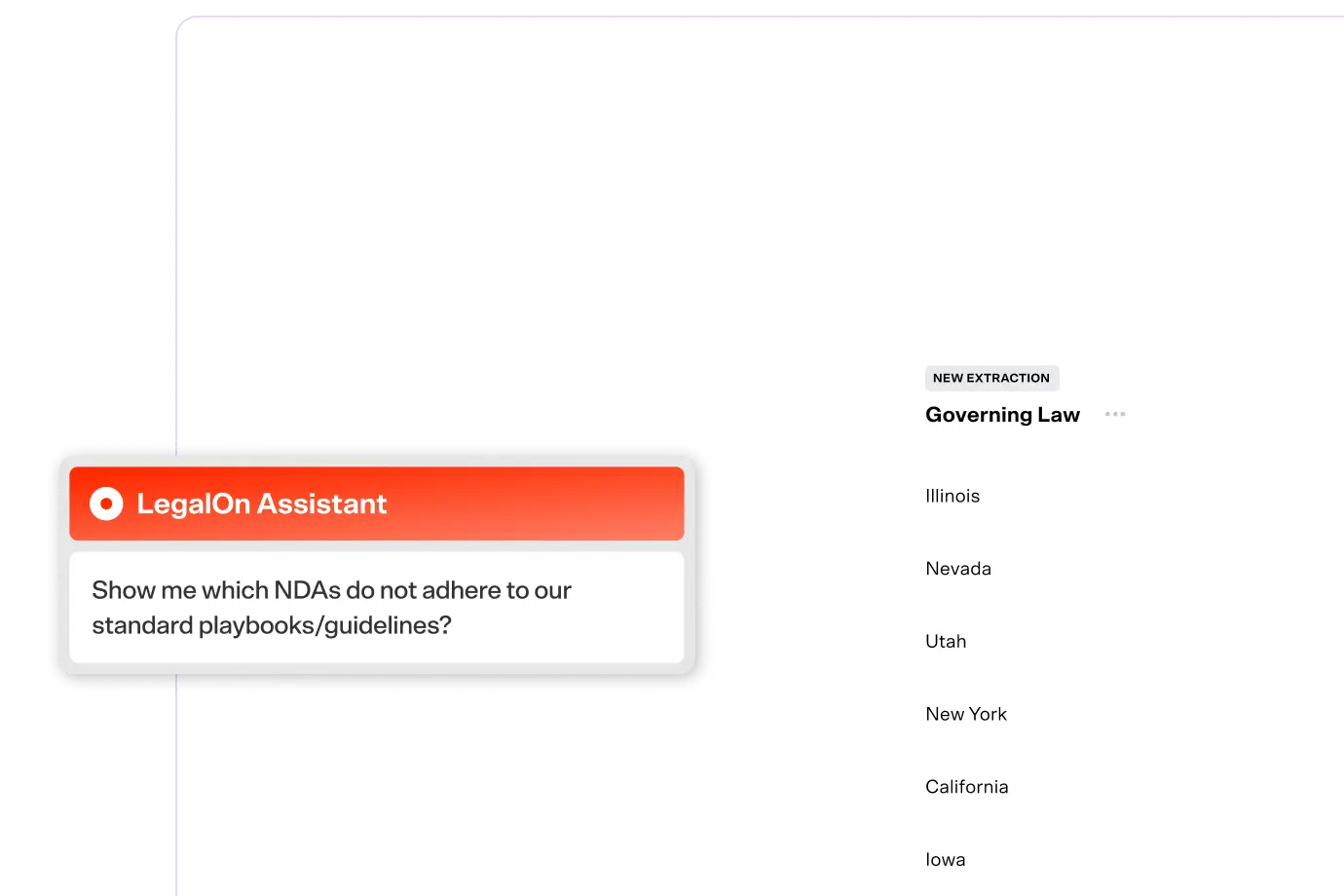
The team has recently launched its own internal intake and triage system. It gathers requests from the business, routes them to the right people, and begins generating answers and responses. That is not just AI at the edges of legal work. It is a different way for legal demand to enter the function in the first place.
Experimenting With the Tool Stack
The team also has access to a range of AI tools, including both general-purpose systems and legal-specific platforms. They do not have licenses for everyone, partly because of cost, and they are still in an experimentation mindset as they test what each system can do.
With the complexity and scope of their international business, they’re looking for AI tools that fit their diverse needs. They’ve found that some perform best on litigation and legal research questions because they’re grounded in trustworthy content, while others add value with breadth, speed, and supporting work beyond legal research.
The team is focused on the questions of today, not the future: which tools give them the most leverage across the work they do right now.
Yet for all their interest in AI, Lutech's legal team is not adopting AI because it wants to replace judgment. They see the tools as useful for first drafts, faster research, and work that previously took too much time or required outside support. But the output still needs attention from lawyers.
The Lutech Model: A Blueprint for the Modern Legal Team
Lutech’s approach to legal operations offers a compelling blueprint for teams facing similar pressures: a complex business, a lean department, and the dual mandate to reduce external costs while accelerating internal speed.
“We don’t use AI to replace judgment. It gives us a first draft, faster research, and help with work that used to take too long or needed outside support. But every output still gets a lawyer’s attention. That’s what lets a small team punch above its weight.” — Giorgia Frisina, Group Deputy Chief Legal Counsel Operations
Rather than viewing technology as just a productivity shortcut, the team treats it as a structural foundation. They’re blending new triage systems with a deliberate, experimental approach to AI. This strategy is about fundamentally reimagining the legal function—bringing work in-house, optimizing intake, and providing their lawyers with the leverage to punch far above their weight.
For Lutech, the future of in-house efficiency isn't just in better drafting tools, but in building an operating model that aligns technology, process, and human expertise to scale capability far beyond headcount.
Carlo Ciccarelli is Group General Counsel and Giorgia Frisina is Group Deputy Chief Legal Counsel Operations at Lutech.